Publishing a children's book involves more moving parts than most first-time authors expect. Unlike a novel, a picture book is a partnership between text and art, which means decisions about pacing, page turns and illustration style start much earlier in the process than many authors anticipate.
The first step is almost always a manuscript assessment. Even a beautifully written story may need restructuring once you consider how it will unfold across 24 or 32 printed pages. A good editor will flag where the pacing needs to breathe, where a page turn can create a moment of surprise, and where the word count might be trimmed to let the illustrations carry more of the storytelling.
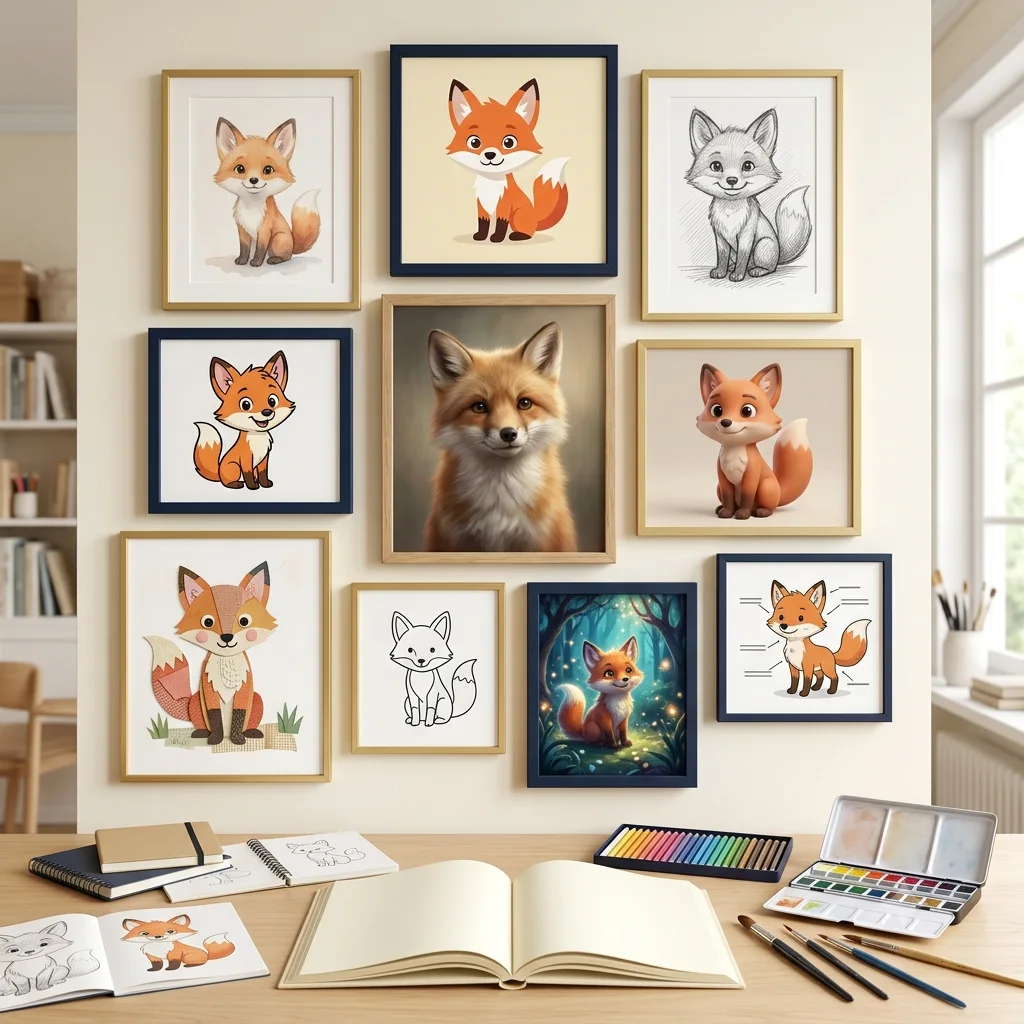
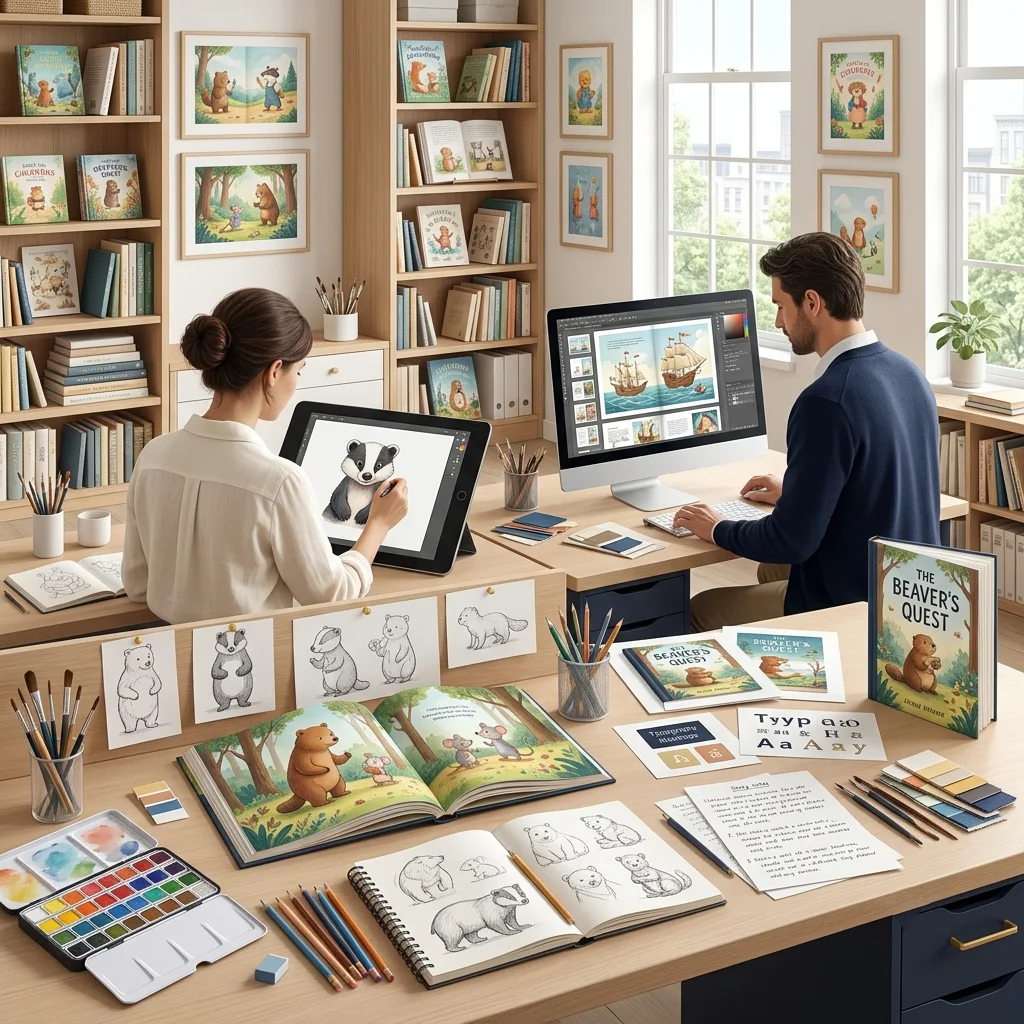
Once the manuscript is in strong shape, character design and storyboarding begin. This is where your protagonist starts to take visual form — and where authors typically provide feedback on early sketches before full illustration work begins. Storyboarding maps out how the story will be paced across spreads, which is a very different skill from writing prose.
From there, full illustration, cover design, and interior formatting bring the book to life visually. Typography choices for young readers matter more than they might seem: letter spacing, font size and line length all affect how easily an emerging reader can follow the text.
Finally, the book is prepared for its intended formats — usually hardcover and paperback for picture books, often alongside an eBook adaptation, and increasingly an audiobook edition with professional narration. Each format has its own technical requirements, from trim size to file specifications for print-on-demand or offset printing.
The through-line across all of this is author involvement. At every stage — character approval, cover direction, formatting proofs — you should have the opportunity to review and approve the work before it moves forward. A publishing partner's job is to guide that process with expertise, not to take the decisions out of your hands.